
How to Winterize Mountain Cabin Plumbing in Evergreen, CO
At 7,200 feet elevation, winter temperatures regularly plunge below zero. Follow this step-by-step plumbing winterization guide for Evergreen mountain homes.
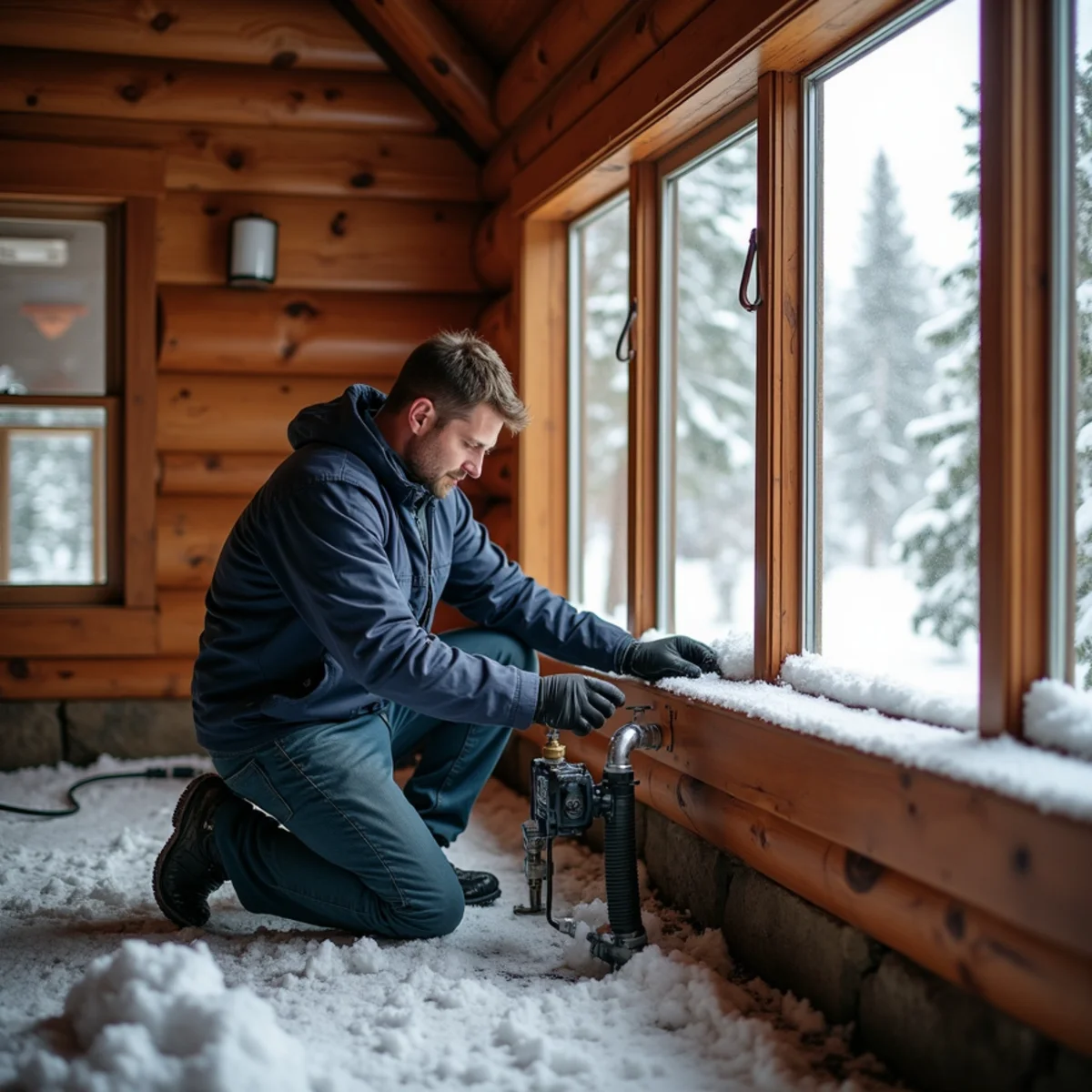
To winterize a mountain cabin or second home in Evergreen, CO (7,200 ft), shut off the main water supply or well pump, drain all supply lines using regulated compressed air, add non-toxic propylene glycol RV antifreeze to every toilet bowl, tank, and fixture P-trap, and maintain cabin heat at a minimum of 55°F.
Mountain Freeze Dynamics: Sub-Zero Front Range Weather
Perched at 7,200 feet elevation in the Rocky Mountain foothills, Evergreen experiences far harsher winter conditions than flatland South Denver communities. Sustained sub-zero Arctic cold fronts, heavy snow accumulations exceeding 80 inches, and howling canyon winds along Bear Creek regularly test residential plumbing.
In rustic timber cabins, A-frames, and vacation homes that sit unoccupied for weeks during winter, an unheated plumbing line will freeze solid within 12 to 24 hours. A single burst pipe can release tens of thousands of gallons before anyone notices, causing structural framing rot, ice-encased mechanicals, and total floor collapse.
Complete Supply Line Drainage via Compressed Air Blowout
Gravity draining alone is never sufficient for mountain plumbing. Because pipes in rustic cabins frequently dip through floor joists and unlevel subfloors, water naturally pools in low spots, creating hidden freeze dams. Professional winterization requires a compressed air blowout.
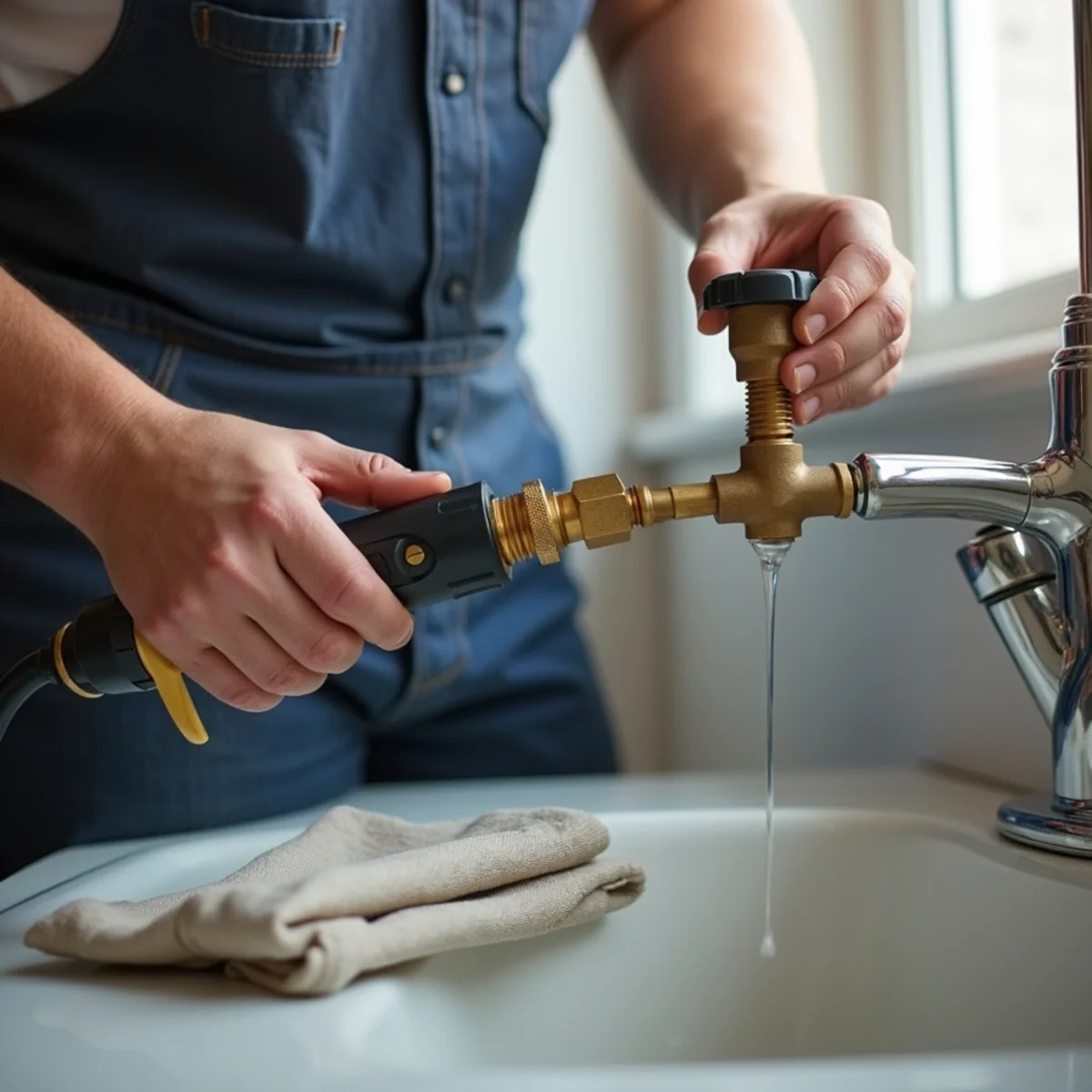
Shut off the domestic well pump breaker or municipal meter valve. Drain the water heater and expansion tank completely. Connect an air compressor equipped with an oil filter to the highest water line via an adapter, regulating pressure to 35 to 45 PSI. Systematically open one fixture at a time—working from highest to lowest—until every faucet, showerhead, and toilet supply valve discharges pure, dry air.
Need Professional Plumbing Assistance in Englewood?
Our licensed Colorado plumbers provide upfront pricing and rapid dispatch across Englewood, Littleton, and surrounding communities.
P-Trap and Toilet Protection with Non-Toxic RV Antifreeze
While domestic water supply lines can be completely emptied of water, drainage fixtures require standing water in their P-traps to block hazardous sewer and septic gases from entering the home. If this trap water freezes, it shatters plastic and cast iron traps.
Never use automotive ethylene glycol antifreeze, which is highly toxic to wildlife, pets, and mountain septic microbial ecosystems. Instead, pour non-toxic pink propylene glycol (RV and marine antifreeze rated to -50°F) into every fixture trap. Pour two cups into each sink drain, shower, and floor drain. Sponge out all remaining water from toilet tanks and bowls, then pour three to four cups of antifreeze directly into the bowl to fill the internal trapway.
Well Pump, Pressure Tank & Filtration Winterization
Many Evergreen properties outside the metropolitan district rely on private domestic water wells. Winterizing a well system requires special care: open the drain valve at the base of the well pressure tank and completely drain the internal bladder. Remove whole-house sediment filter housings, discard used filter cartridges, and drain standing water.
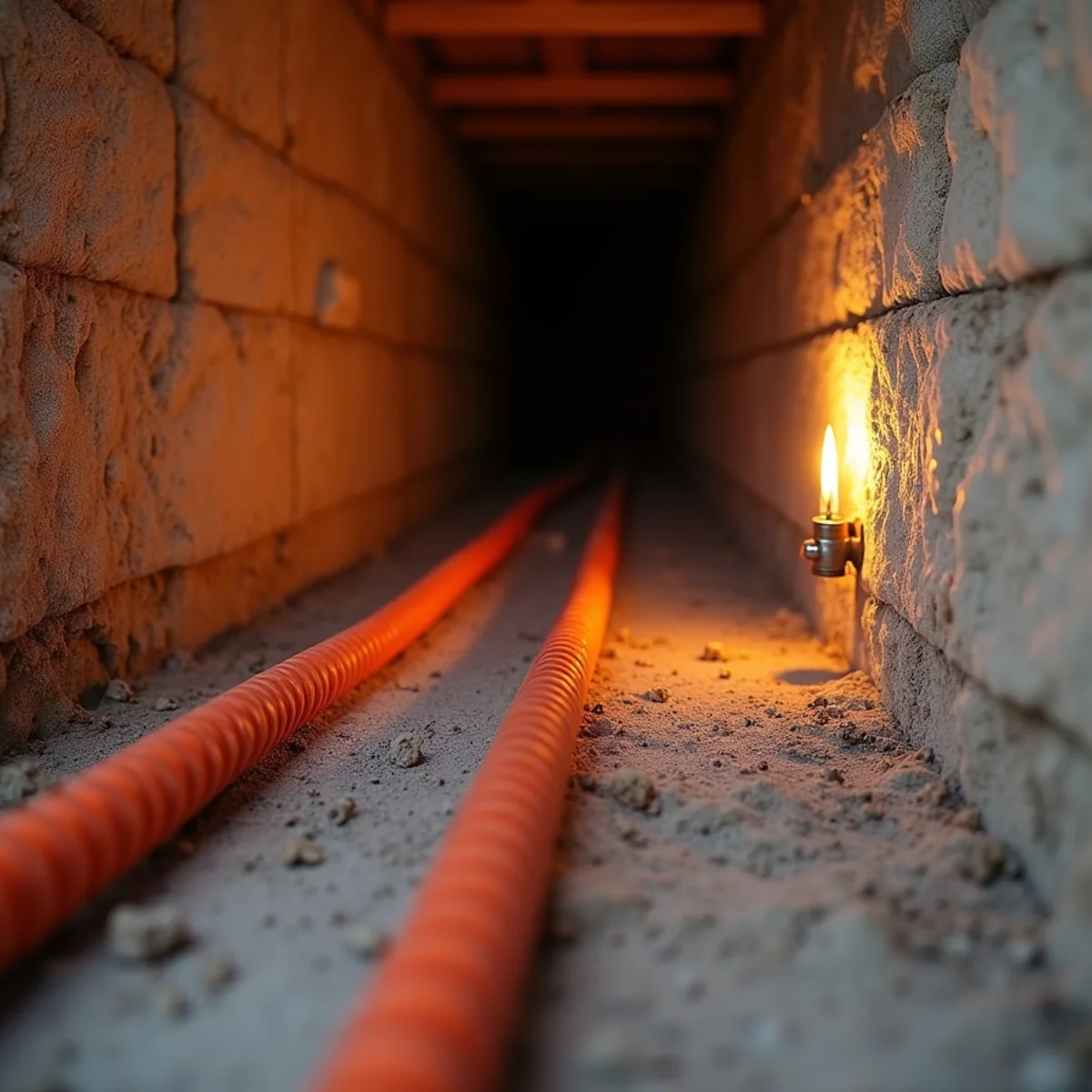
Inspect crawl space supply manifolds where well lines enter through granite foundations. Wrap exposed pipe with commercial self-regulating heat cable and install smart cellular freeze temperature sensors that alert your smartphone if indoor temperatures drop below 45°F.
| Step # | Procedure | Equipment / Material | Common Mistake to Avoid |
|---|---|---|---|
| 1 | Shut Off Water Supply | Well breaker / main valve | Leaving well pump energized under pressure |
| 2 | Drain Water Heater | Garden hose to floor drain | Forgetting to turn off electric breaker or gas valve |
| 3 | Compressed Air Blowout | Air compressor (35–45 PSI) | Using high pressure (>50 PSI) that damages cartridges |
| 4 | Antifreeze P-Traps | Non-toxic pink RV antifreeze | Using toxic green automotive antifreeze |
| 5 | Set Thermostat & Alarms | Smart thermostat (55°F min) | Turning heat off completely to save propane |
Never Turn Foothills Cabin Heat Completely Off
Even after a full compressed air blowout, residual moisture in appliance solenoid valves (ice makers, dishwashers, washing machines) can freeze and crack if heat is completely extinguished.
Frequently Asked Questions
Straightforward answers regarding this topic for South Denver and Colorado homeowners.
Related Plumbing Services
Related Service Areas
Have a question or need service?
We typically respond to non-urgent requests within 1-2 business hours.