
Signs Your Pressure-Reducing Valve (PRV) Has Failed
Excess municipal water pressure destroys appliances, causes pipe knocking, and ruptures water heaters. Learn how to diagnose a failed PRV.
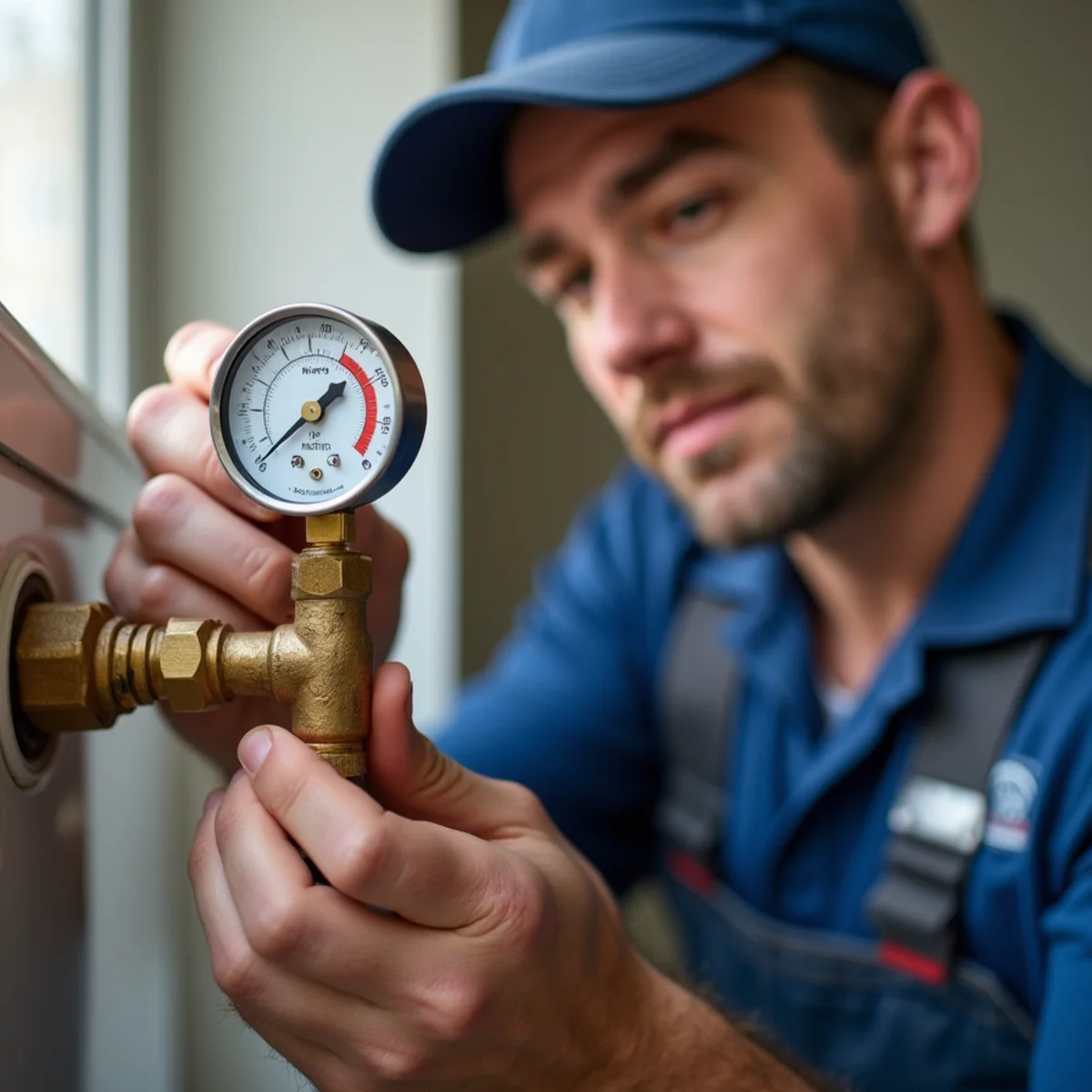
A failing water pressure-reducing valve (PRV) allows municipal water pressure to surge past safe levels (often exceeding 90 to 120 PSI). Key signs of PRV failure include loud pipe banging ('water hammer') when faucets shut off, vibrating water lines, toilets that intermittently hiss or refill, dripping faucet cartridges, and water leaking from your water heater's temperature-pressure relief (TPR) valve.
How a Pressure-Reducing Valve Protects Your Home
Municipal water utilities across South Denver—including Englewood, Centennial, and Highlands Ranch—deliver water through city mains at high pressures, frequently between 90 and 130 PSI. This high pressure is necessary to transport water up elevated ridges, across long distribution distances, and to supply commercial fire hydrants.
However, residential plumbing systems and household appliances are only engineered to withstand a maximum of 80 PSI under the Colorado Uniform Plumbing Code. A pressure-reducing valve (PRV) is a heavy brass bell-shaped valve installed on your main water supply line that automatically throttles incoming municipal pressure down to a safe, comfortable 55 to 65 PSI.
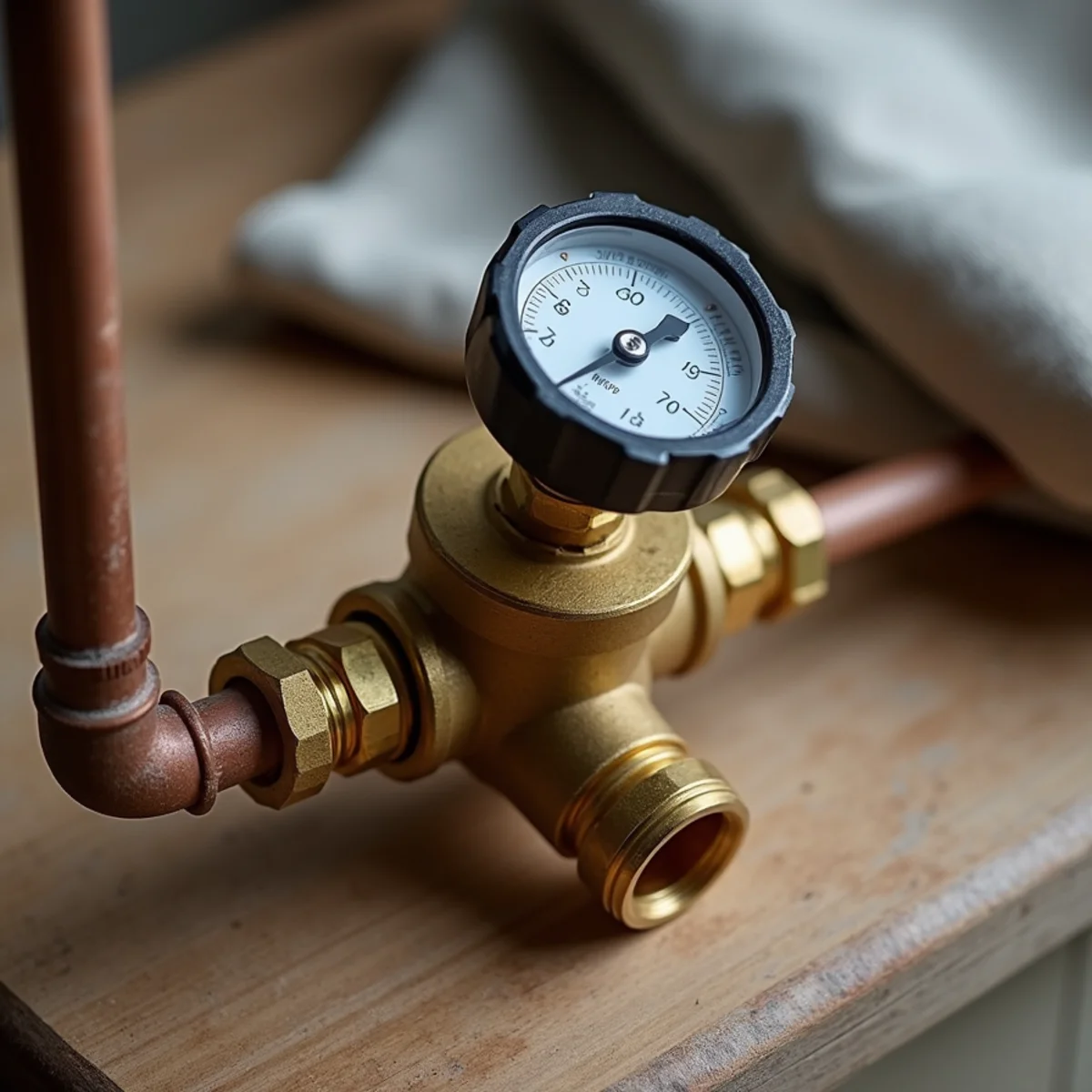
5 Telltale Signs Your PRV Has Failed
Loud Banging Water Hammer: When a washing machine valve, dishwasher, or single-lever faucet snaps shut under excessive pressure, the sudden stop sends shockwaves through your pipes, rattling them against wall studs.
Constantly Running or Hissing Toilets: Excessive line pressure overpowers toilet fill valve seals, causing water to continuously trickle into the overflow tube or spontaneously refill every 20 minutes.
Dripping Temperature-Pressure Relief (TPR) Valves: When water is heated, thermal expansion causes line pressure to surge. High baseline pressure forces the water heater's emergency TPR valve to open and weep water onto the floor.
Vibrating or Humming Pipes: When a faucet is opened slightly, a damaged internal PRV diaphragm can vibrate violently, sending a loud humming or groaning acoustic resonance throughout the house.
Surging Water Faucets: Turning on a sink releases an initial explosive blast of high pressure that quickly drops down to normal flow.
Need Professional Plumbing Assistance in Englewood?
Our licensed Colorado plumbers provide upfront pricing and rapid dispatch across Englewood, Littleton, and surrounding communities.
Why South Denver Municipal Pressures Fluctuate
Topography across Arapahoe and Douglas counties varies dramatically. Communities like Highlands Ranch and eastern Centennial feature steep elevation changes that require local water districts (such as Centennial Water and Sanitation) to maintain high pumping pressure.
The internal mechanism of a PRV consists of a flexible rubber diaphragm, a stainless steel spring, and brass seating discs. Over 10 to 15 years of constant hydraulic stress and mineral scale exposure, the rubber diaphragm stiffens and tears. Once the diaphragm fails, municipal pressure enters your home unrestricted, placing water heaters, washing machine hoses, and water filters at severe risk of rupture.
How to Test Your Water Pressure and Replace Your PRV
Testing your water pressure is straightforward. Purchase an inexpensive 0–200 PSI water test gauge with a female hose thread at any local hardware store. Screw the gauge onto an outdoor hose bib or basement laundry faucet, open the valve completely, and read the static pressure.
If the needle reads above 75 PSI, your PRV is failing or out of adjustment. Madrid Plumbers replaces worn-out regulators with commercial-grade Watts or Wilkins brass PRVs. Our plumbers calibrate the regulator, verify proper thermal expansion tank pressure, and protect your home from sudden high-pressure flooding.
| Pressure Range (PSI) | System Condition | Risk to Fixtures & Appliances | Action Required |
|---|---|---|---|
| < 40 PSI | Low Pressure | Sluggish showers, slow filling fixtures | Inspect for pipe corrosion or PRV blockage |
| 45 – 65 PSI | Optimal Range | Ideal for appliances and water efficiency | Normal operation; no action needed |
| 65 – 80 PSI | Acceptable Limit | Upper threshold of Colorado code | Monitor pressure annually |
| > 80 PSI | Excessive Pressure | Water hammer, appliance failure, leaks | Replace or calibrate PRV immediately |
PRVs and Thermal Expansion Tanks
When a PRV is installed, it creates a 'closed plumbing system.' A properly pressurized thermal expansion tank on your water heater is legally required to absorb heated water volume.
Frequently Asked Questions
Straightforward answers regarding this topic for South Denver and Colorado homeowners.
Related Plumbing Services
Related Service Areas
Have a question or need service?
We typically respond to non-urgent requests within 1-2 business hours.