How Front Range Hard Water Destroys Water Heaters
Colorado Front Range municipal water carries 7 to 12 grains of hardness per gallon. Here is how that mineral load destroys water heaters and how to prevent early failure.
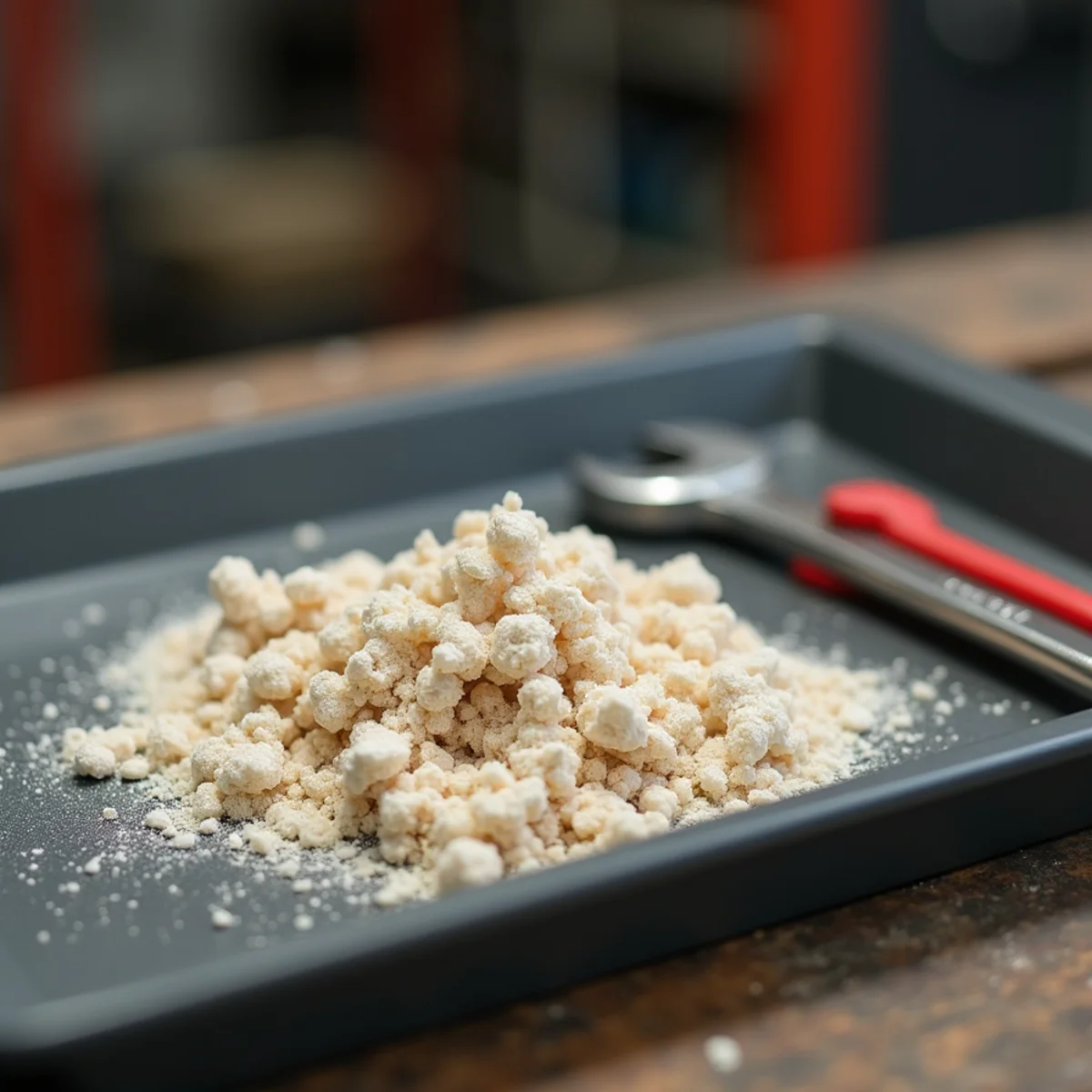
Front Range water carries 7 to 12 grains per gallon of dissolved calcium and magnesium. When water is heated above 120°F, these minerals precipitate into hard limescale that settles at the tank bottom. This creates popping 'kettling' noises, traps extreme heat, and causes premature tank bottom failure in just 6 to 10 years without annual flushing and anode rod replacement.
Front Range Water Chemistry: The Mineral Load Explained
Municipal water across Englewood, Littleton, and Centennial originates primarily from mountain snowmelt filtered through sedimentary rock, limestone deposits, and granite canyons. While Colorado water is clean and fresh-tasting, it carries a moderate-to-hard mineral concentration ranging from 7 to 12 grains per gallon (GPG), or 120 to 200 parts per million (PPM) of dissolved calcium and magnesium carbonate.
In cold water lines, these minerals remain fully dissolved in solution. However, when water enters your water heater and passes across burning gas flames or electric immersion elements, thermal precipitation occurs. At temperatures above 120°F, dissolved calcium carbonate converts into insoluble calcium scale crystals, coating heating surfaces and dropping to the bottom of the tank.
The Kettling Phenomenon: Why Water Heaters Pop and Rumble
One of the most frequent service calls we receive in Englewood is from homeowners reporting loud popping, knocking, or boiling sounds coming from their basement water heater. This phenomenon is known in the plumbing trade as 'kettling.'
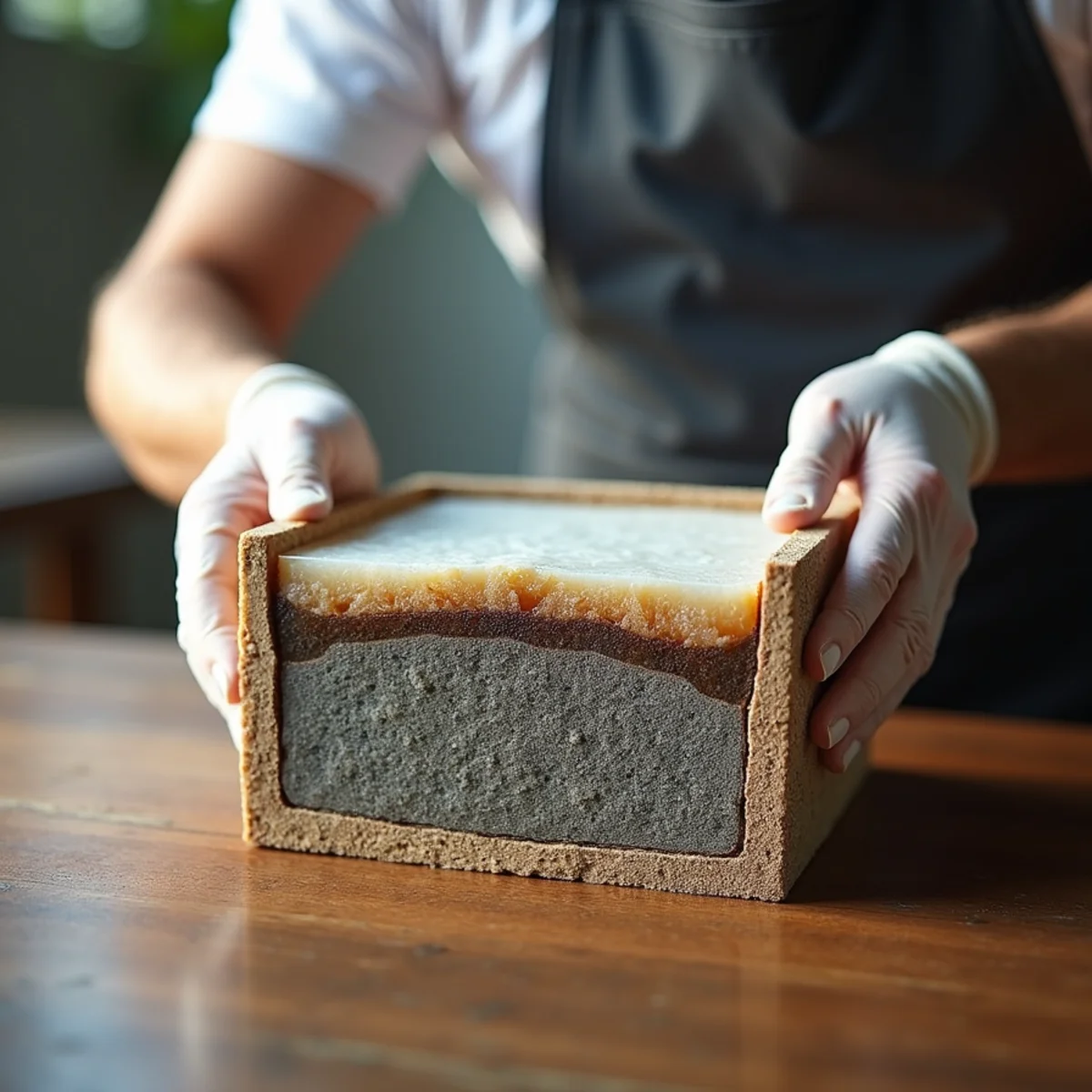
Over three to five years, unmaintained water heaters accumulate several inches of dense, rock-like sediment across the concave steel bottom of the tank. When the natural gas burner ignites, heat cannot transfer freely into the water. Instead, water trapped beneath the calcified sediment layer superheats into steam bubbles. As these steam bubbles force their way violently through the sediment crust, they collapse and rumble loudly against the steel tank walls.
Need Professional Plumbing Assistance in Englewood?
Our licensed Colorado plumbers provide upfront pricing and rapid dispatch across Englewood, Littleton, and surrounding communities.
Thermal Stress, Efficiency Loss, and Tank Ruptures
Sediment acts as a dense thermal insulator. A mere 3/8-inch layer of mineral scale reduces water heater energy transfer efficiency by up to 25%, forcing the burner to fire significantly longer to satisfy your thermostat setpoint. This drives up monthly gas and electric utility bills.
Even more destructive is the extreme heat trapped beneath the scale barrier. With nowhere for heat to dissipate, the steel tank bottom overheats past its engineered metallurgical limits. The protective glass lining cracks, exposing raw steel directly to hot water. Corrosive galvanic action accelerates, leading to tank bottom fractures and sudden catastrophic basement flooding.
Annual Flushing Protocols and Anode Rod Maintenance
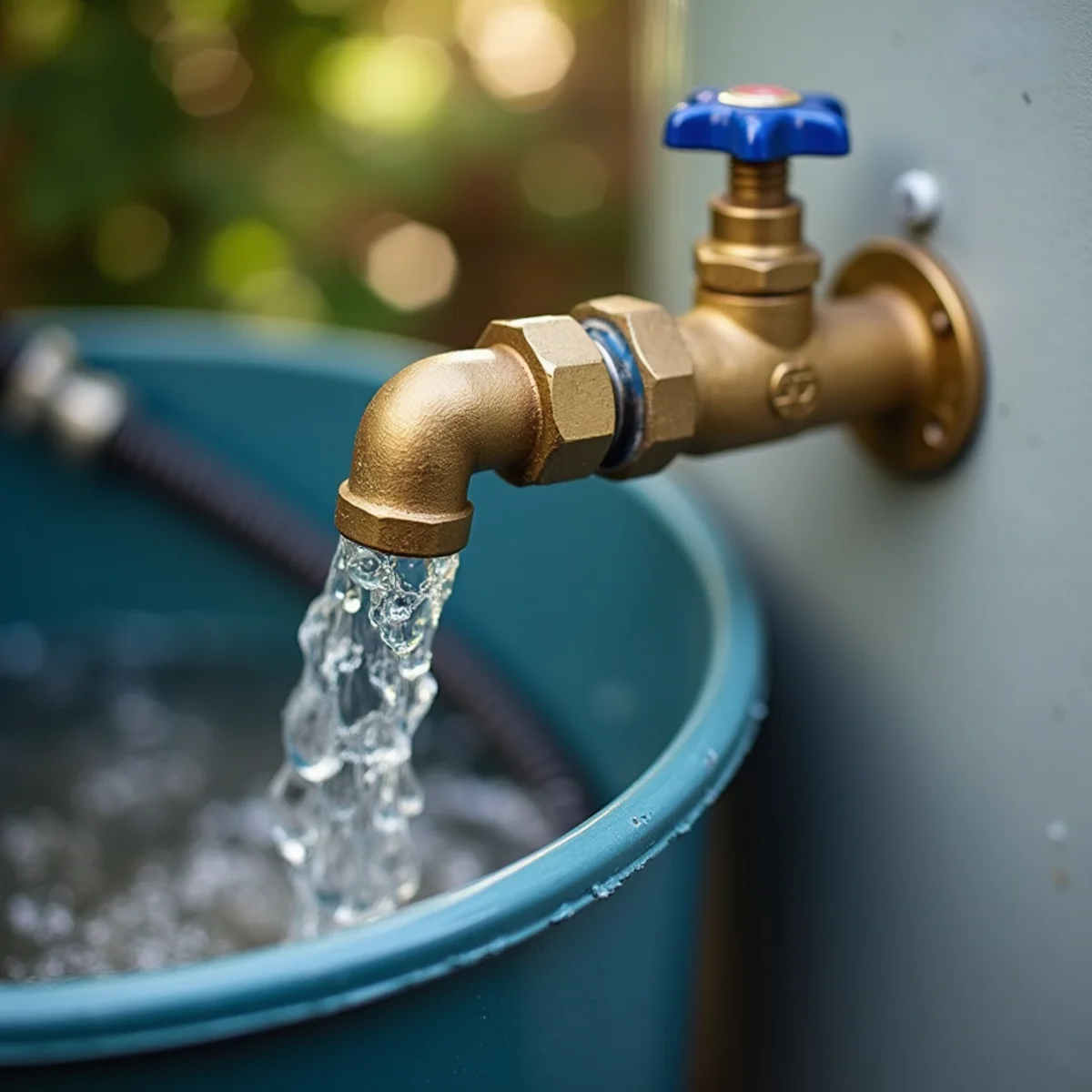
Preventing hard water scale requires annual preventative maintenance. A complete tank flush involves connecting a high-temperature drain hose to the bottom drain valve, opening the valve under full domestic pressure, and flushing out loose mineral sediment until the discharge runs crystal clear.
Equally vital is checking your sacrificial anode rod every two to three years. The anode rod (made of magnesium or aluminum) attracts galvanic electrical currents, corroding sacrificial metal to protect the steel tank. Once the anode rod is fully depleted, corrosive minerals attack the tank walls directly. Replacing an anode rod costs a fraction of a new water heater and can extend equipment lifespan by five to eight years.
| Hardness Level (GPG) | Sediment Accumulation Rate | Efficiency Loss | Typical Tank Lifespan |
|---|---|---|---|
| 0 – 3 GPG (Soft) | Minimal / Negligible | < 2% | 12 – 15+ Years |
| 4 – 7 GPG (Moderate) | Moderate (1/8 in. per year) | 5% – 10% | 10 – 12 Years |
| 7 – 12 GPG (Englewood/Front Range) | Heavy (1/4 to 1/2 in. per year) | 15% – 25% | 6 – 10 Years (without flushing) |
| 12+ GPG (Very Hard Foothills/Well) | Severe Calcification | > 30% | 5 – 7 Years |
Should You Install a Water Softener in Englewood?
An ion-exchange water softener completely eliminates calcium and magnesium scale, protecting your water heater, dishwashers, and expensive plumbing fixtures throughout your home.
Frequently Asked Questions
Straightforward answers regarding this topic for South Denver and Colorado homeowners.
Related Plumbing Services
Related Service Areas
Have a question or need service?
We typically respond to non-urgent requests within 1-2 business hours.