Galvanized Pipes in 1950s Englewood Homes: Signs It's Time to Repipe
Post-war homes across Englewood and Littleton were built with galvanized iron pipes. Seven decades later, internal corrosion causes low pressure, leaks, and discolored water.
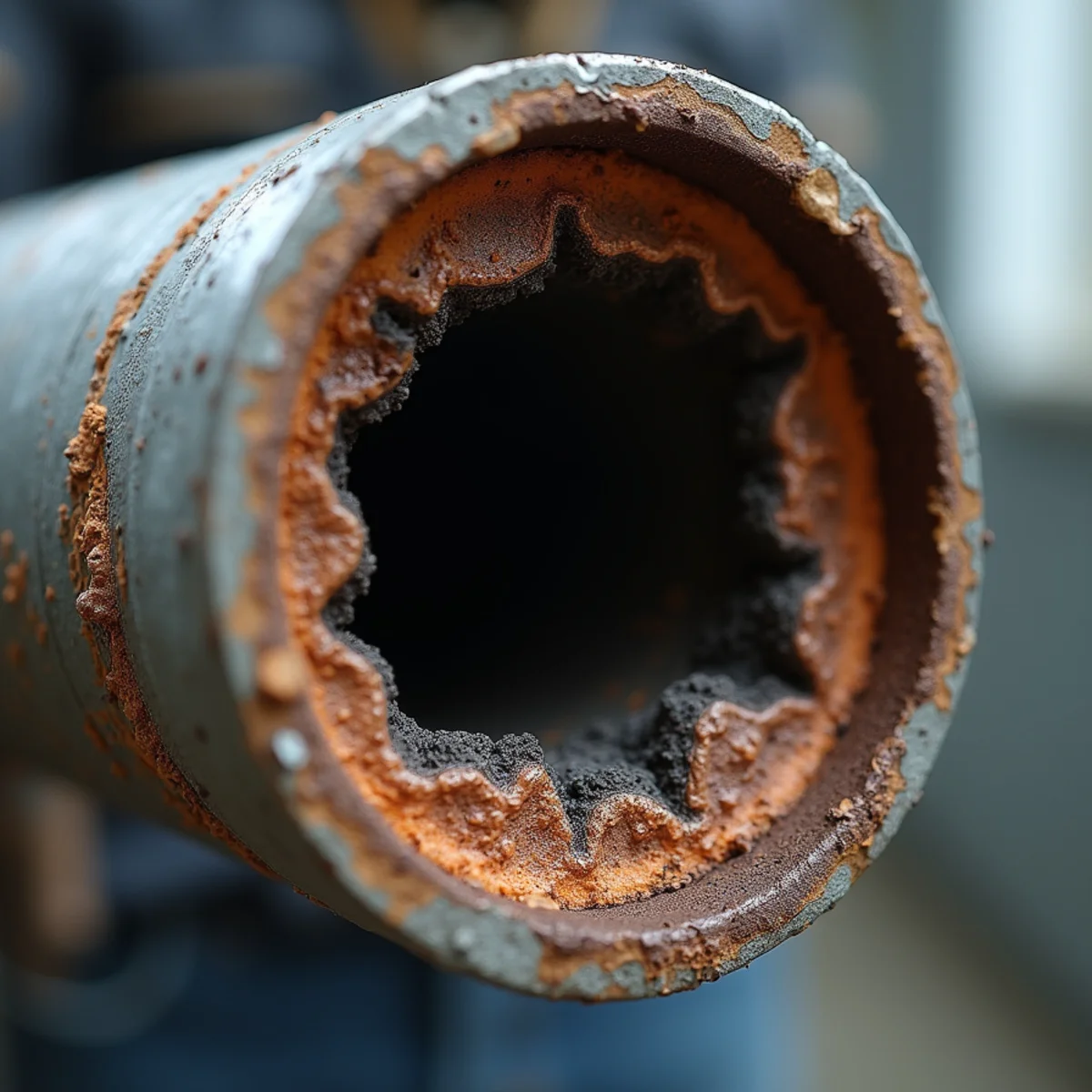
If your 1950s Englewood or Littleton home has original galvanized steel pipes, internal rust and mineral scale have likely choked the internal diameter to a pencil's width. Warning signs include low water pressure when multiple fixtures run, brown morning water, metallic taste, and pinhole seam leaks. Whole-house repiping with Uponor PEX-a restores clean water volume and prevents structural flooding.
Why Galvanized Steel Pipes Corrode from the Inside Out
During the post-World War II housing boom between 1948 and 1965, tens of thousands of brick ranches and bungalows were erected across Englewood, Sheridan, and Littleton. The universal plumbing standard of that era was threaded galvanized steel pipe—iron pipe dipped in a protective molten zinc coating.
While galvanized steel was strong and rigid, its engineered lifespan was only 40 to 50 years. Over six to seven decades of exposure to Colorado municipal water, the internal zinc layer wears away completely. Raw iron underneath reacts with dissolved oxygen and minerals, forming dense rust nodules and iron oxide deposits known as tuberculation. The pipe corrodes from the inside out while appearing deceptively solid on the exterior.
The Top 4 Warning Signs of Failing Galvanized Plumbing
Low Water Pressure Across Multiple Fixtures: When you take a shower while the washing machine or dishwasher runs, water drops to a trickle. Rust buildup chokes a 3/4-inch pipe down to less than 1/4 inch of usable diameter.
Rusty, Brownish Water on Morning Taps: After sitting undisturbed overnight, water reacts with interior rust flakes. When you turn on your faucet in the morning, the water runs yellow or reddish-brown for the first 30 seconds.
Persistent Metallic or Bitter Taste: Water delivered through decaying iron pipes carries a sharp metallic flavor that ruins coffee, tea, and cooking.
Spontaneous Seam Pinhole Leaks: As corrosion eats through threaded pipe joints and longitudinal manufacturing seams, small pinhole leaks develop behind walls or in crawl spaces, causing mold and drywall damage.
Need Professional Plumbing Assistance in Englewood?
Our licensed Colorado plumbers provide upfront pricing and rapid dispatch across Englewood, Littleton, and surrounding communities.
The Hazard of Galvanic Corrosion at Mixed-Metal Junctions
Over the decades, previous homeowners or handymen frequently made partial repairs, replacing a leaking galvanized section with modern copper pipe. When copper touches steel directly without a specialized dielectric union, an electrochemical reaction called galvanic corrosion occurs.
Because copper is more noble than iron on the galvanic scale, the copper acts as a cathode and causes the steel pipe to sacrifice its metal rapidly. This accelerates rust at the joint, causing sudden catastrophic joint separation and high-pressure water releases.
Modern Whole-Home Repiping with Uponor PEX-a
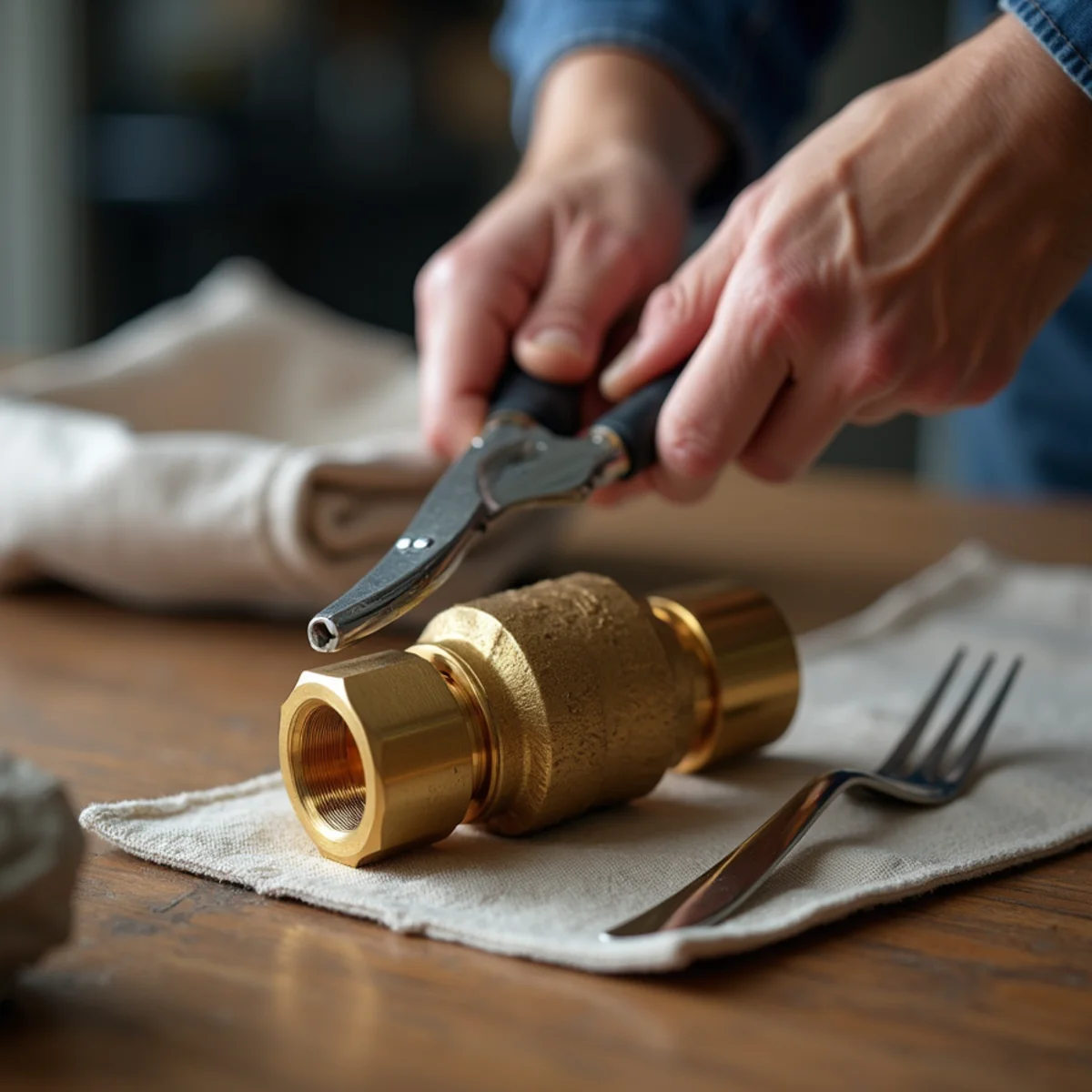
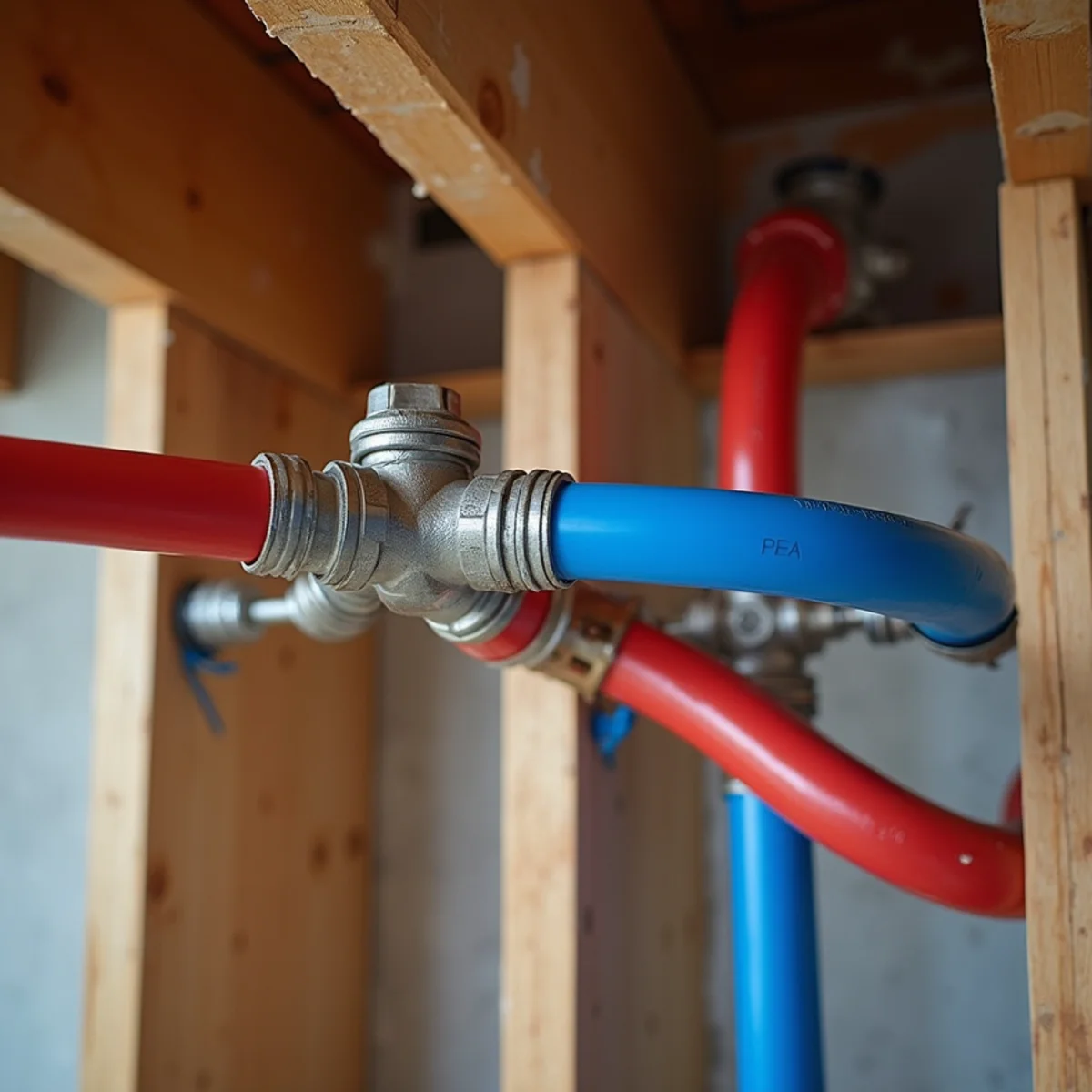
The modern gold standard for residential repiping across Colorado is Uponor PEX-a (cross-linked polyethylene). Unlike rigid copper that can freeze and split during Front Range winter cold snaps, PEX-a is highly flexible and thermal-expansion resilient, expanding up to three times its diameter without rupturing.
Our licensed repiping specialists install home-run PEX-a manifolds with dedicated shutoff valves for every fixture. We route lines through interior partition walls, basements, and floor joists using surgical drywall incisions, minimizing disruption to historic plaster or textured drywall. A typical Englewood ranch home is fully repiped in two to three days, restoring full water volume and clean drinking water.
| Material | Average Lifespan | Corrosion Resistance | Freeze Tolerance | Water Pressure Delivery |
|---|---|---|---|---|
| Galvanized Steel | 40 – 50 Years | Poor (Severe internal rust) | Very Poor (Prone to burst) | Severely choked over time |
| Type L Copper | 50+ Years | Good (Susceptible to acid) | Moderate (Can burst) | Excellent when clean |
| Uponor PEX-a | 50 – 100+ Years | Immune to corrosion/scale | Superior (Expands with ice) | Optimal flow capacity |
| CPVC Plastic | 25 – 40 Years | Good | Brittle when cold | Adequate (Joints fail) |
The Scratch Test: Identifying Your Pipe Material
Before remodeling or repairing plumbing in an older home, perform a simple magnet and coin scratch test on your main water line.
Frequently Asked Questions
Straightforward answers regarding this topic for South Denver and Colorado homeowners.
Related Plumbing Services
Related Service Areas
Have a question or need service?
We typically respond to non-urgent requests within 1-2 business hours.